-

The Cattle Raid of Regamain
Ulster Cycle
The Cattle Raid of Regamain is an essential tale in the Ulster Cycle, highlighting themes of honor, conflict, and the supernatural through the story of a cattle raid initiated by Connacht against Ulster.
-

The Changeling of Barra
Scottish & Manx
The Changeling of Barra tells of a mother who, suspecting her child has been swapped with a fairy, seeks a healer's guidance to reclaim her son, highlighting themes of parental love, loss, and the supernatural in Celtic mythology.
-
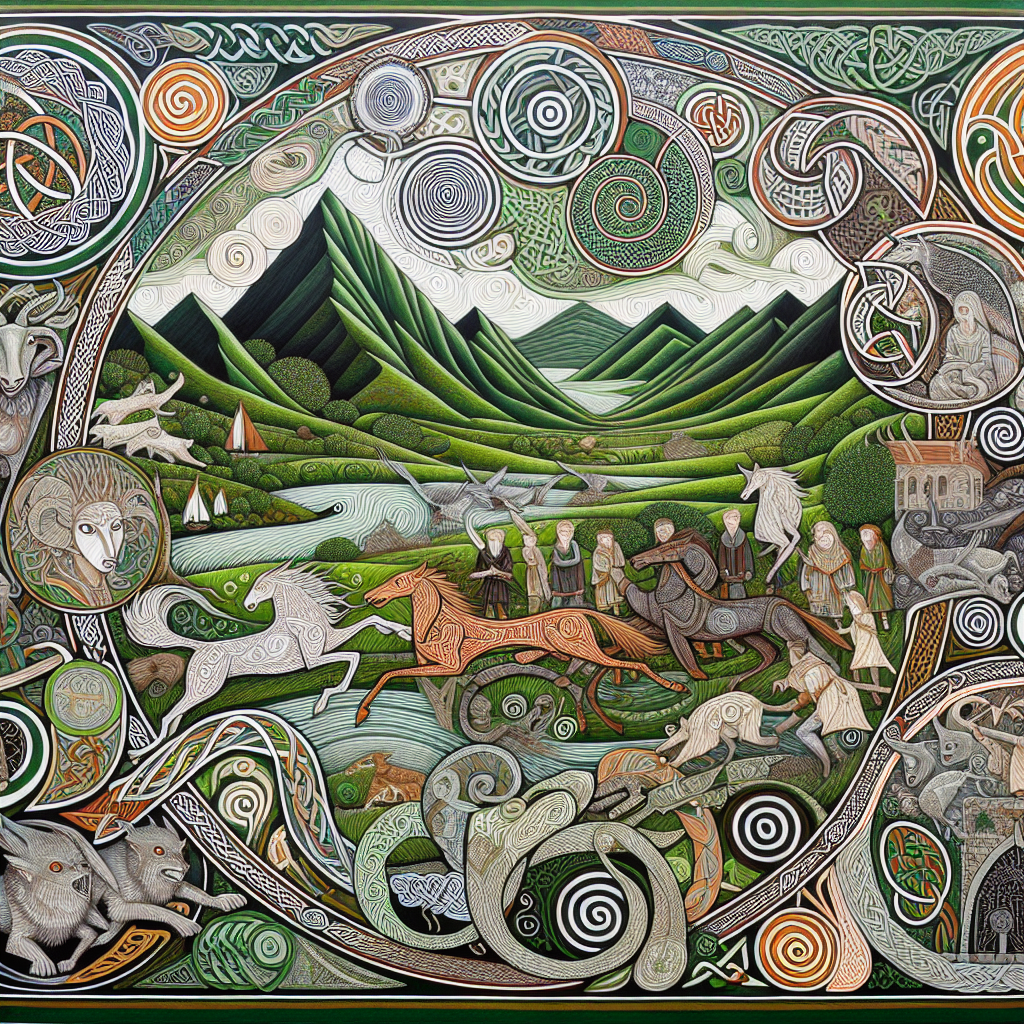
The Chase of Sliabh Cuilinn
Fenian Cycle
"The Chase of Sliabh Cuilinn" features Finn MacCool and the Fianna pursuing a magical boar, exploring themes of heroism, rivalry, and the supernatural, reflecting key aspects of Irish mythology and culture.
-

The Children of Danu
Mythological Cycle
The Children of Danu, or Tuatha Dé Danann, are central to Irish mythology, representing divine ancestry and cultural identity. Key figures include Dagda, Brigid, Lugh, and Morrigan, embodying themes of duality, fertility, and transformation.
-

The Coming of the Milesians
Mythological Cycle
The Milesians, descendants of Míl Espáine, symbolize Gaelic identity in Irish mythology, marking the transition from myth to history through their conquest of the Tuatha Dé Danann, influencing Irish culture and identity.
-

The Coming of the Tuatha Dé Da…
Mythological Cycle
The Tuatha Dé Danann, key figures in Celtic mythology, symbolize a transformative era in Irish lore, embodying themes of conflict, divine heritage, and cultural identity through their arrival and battles, notably against the Fomorians.
-

The Conception of Lugh
Mythological Cycle
Lugh's conception in Celtic mythology involves Cian and Ethne, contrasting destiny and cunning against Balor's strength. This tale reflects themes of prophecy, conflict, and cultural significance, influencing later myths and celebrating artistry and skill.
-

The Dagda’s Club
Mythological Cycle
The Dagda’s club symbolizes power and duality, embodying life and death in Celtic mythology. It highlights themes of regeneration, authority, and the interconnectedness of existence, reflecting ancient beliefs in nature's cycles.
-
The Death of Conchobar mac Nes…
Ulster Cycle
Conchobar mac Nessa's death in the Ulster Cycle signifies the tragic hero's journey, entangled in themes of honor, fate, and the cyclical nature of power amidst conflicts with Connacht and prophetic curses.
-
The Death of Cúchulainn
Ulster Cycle
Cúchulainn's tragic death in the Ulster Cycle highlights themes of fate, honor, and betrayal. His final act of tying himself to a stone symbolizes resilience, cementing his legacy as a heroic figure in Irish mythology.
-
The Death of Fionn mac Cumhail…
Fenian Cycle
Fionn mac Cumhaill's death signifies the end of the heroic age in the Fenian Cycle, marked by betrayal and tragedy, reflecting themes of loyalty, nature, and the transient nature of power in Irish mythology.
-
The Death of King Conn of the …
Historical Cycle
King Conn of the Hundred Battles, a legendary Irish king, symbolizes heroism and the burdens of leadership. His betrayal and death highlight themes of loyalty and power struggles in Celtic mythology, influencing Irish cultural identity and literature.
Mythology
Ancestral gods shaping Celtic identity.