Introduction
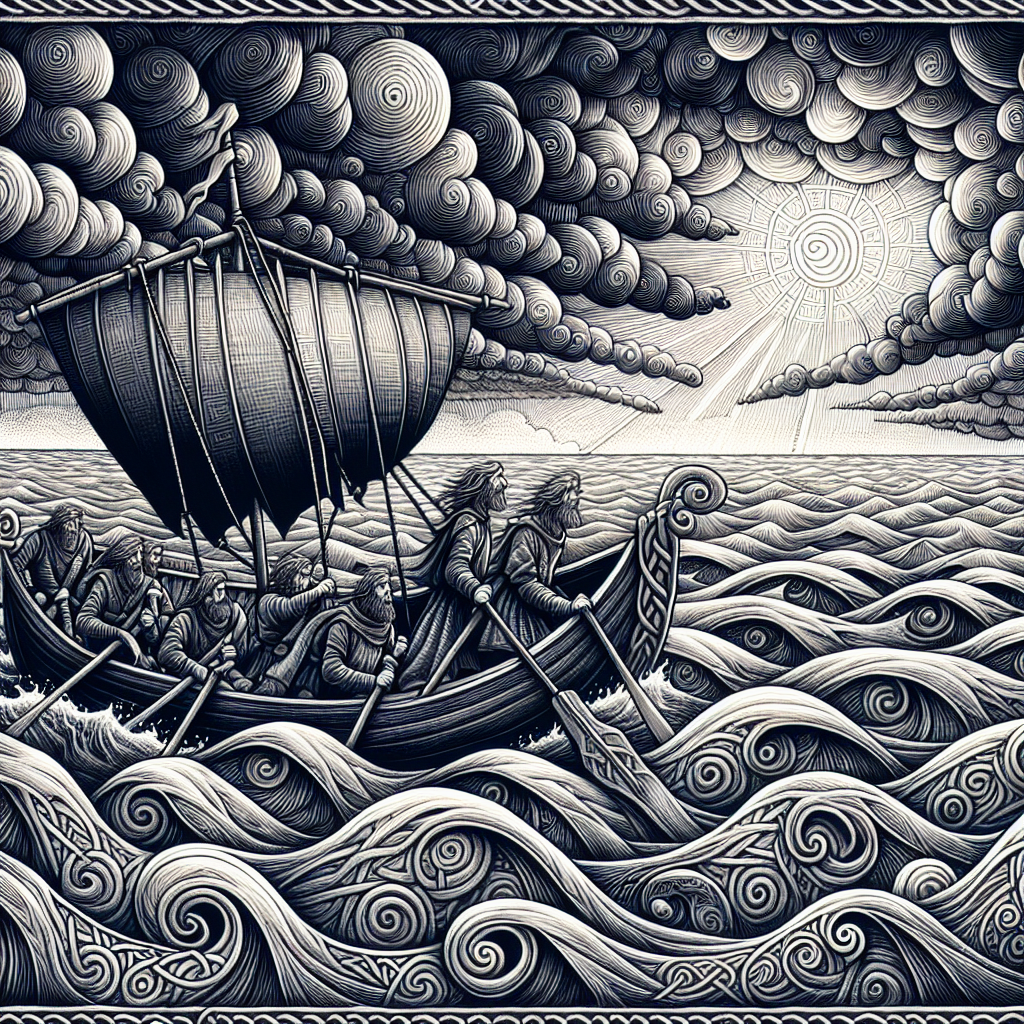
The Voyage of Mael Duin is a significant tale within the Celtic Historical Cycle, blending history and mythology. This narrative, also known as Mael Duin’s Voyage, reflects themes of adventure, identity, and the search for belonging, showcasing the interplay between the real and the mythical in early Irish literature.
Historical Context
The tale is rooted in the early medieval period of Ireland, around the 7th century, a time when oral traditions flourished. The Historical Cycle encompasses narratives that explore Ireland's legendary past, intertwining figures from history and myth.
Key Dates
| Date | Event |
|---|---|
| 7th Century | Composition of the tale |
| 1100s | Manuscript preservation |
Characters
The narrative features several compelling characters:
- Mael Duin: The protagonist, a noble hero seeking vengeance and self-discovery.
- Ailill: Mael Duin's father, whose past actions set the journey in motion.
- The Crew: A diverse group of companions, each representing various aspects of society.
These characters embody different virtues, flaws, and cultural archetypes, enriching the story's depth.
Key Motifs
The Voyage of Mael Duin incorporates several recurring motifs in Celtic mythology:
- The Sea Journey: Symbolizes exploration, adventure, and the unknown.
- Quest for Identity: Reflects the hero's internal struggles and growth.
- Supernatural Encounters: Incorporates fantastical elements that challenge perceptions of reality.
- Fate and Destiny: Emphasizes the importance of fate in shaping human experience.
Mythological Context
Mael Duin’s journey is set against a backdrop of mythical islands, each representing different trials and tribulations. These islands often serve as metaphors for internal conflicts and societal issues faced by the Irish people of that era.
Notable Islands
- Island of the Dead: Represents mortality and the afterlife.
- Island of the Women: Highlights themes of love and desire.
- Island of the Cattle: Symbolizes wealth and prosperity.
These locations provide a rich tapestry for exploring moral and ethical dilemmas.
Cultural Significance
The Voyage of Mael Duin is more than just an adventure story; it serves as a reflection of Celtic values and beliefs. The narrative emphasizes the importance of community, loyalty, and the quest for personal understanding.
Community and Loyalty
The crew's journey underscores the significance of camaraderie. Each character contributes to the collective struggle, reinforcing the idea that individual journeys are often intertwined with those of others.
Quest for Understanding
Mael Duin’s quest mirrors the human desire for knowledge and self-awareness. This theme resonates deeply within Celtic culture, where understanding one’s place in the world is central to personal and communal identity.
Conclusion
The Voyage of Mael Duin remains a vital part of the Celtic Historical Cycle, illustrating the complexities of adventure, identity, and tradition. By intertwining mythological elements with historical context, the tale offers a profound reflection on the human experience, making it a timeless narrative that continues to resonate today.
References
- O'Grady, Standish Hayes. Studies in Irish History and Literature. 1892.
- McNamee, G. “The Voyage of Mael Duin: A Literary Analysis”. Celtic Studies Review, 2007.
This engaging tale not only entertains but also invites readers to ponder their own journeys in life, echoing the endless quest for understanding and belonging.
Be the first to comment!
You must log in or signup to post comments.