Introduction
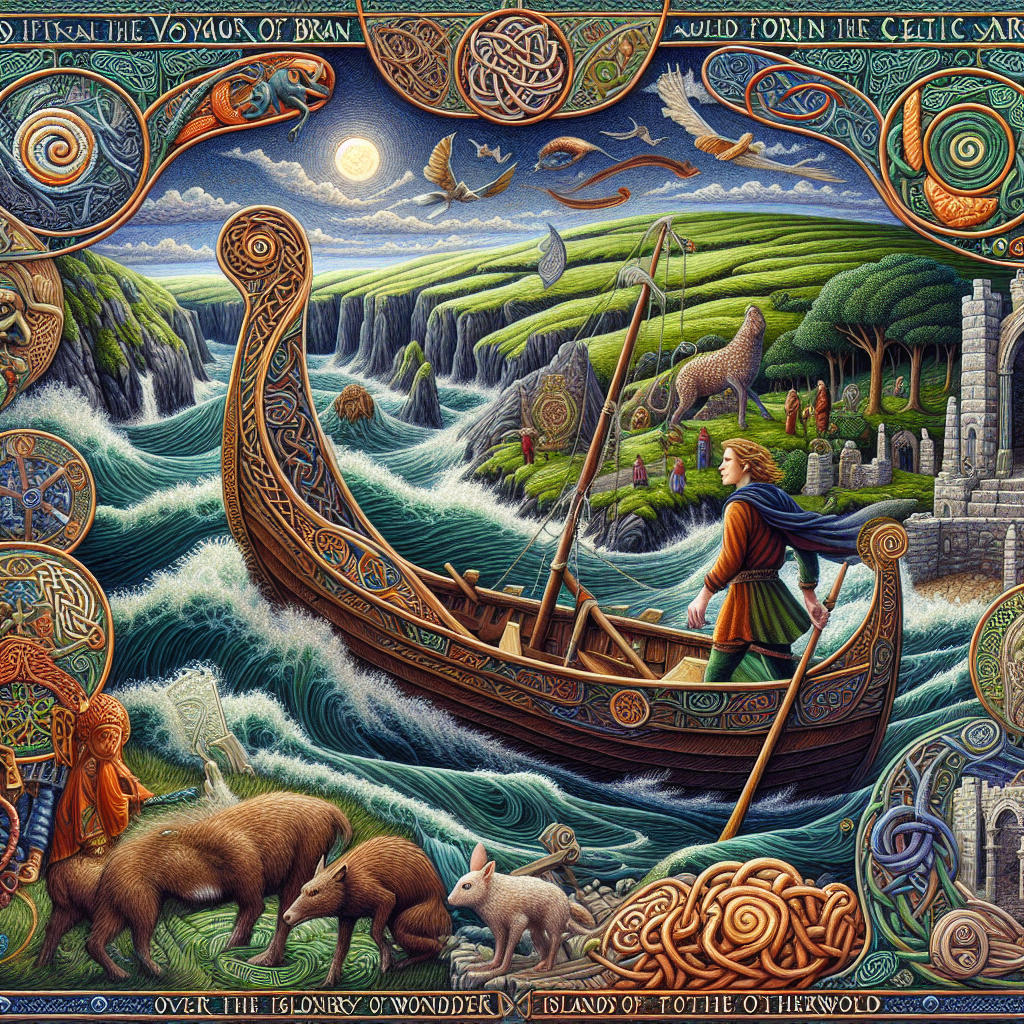
"The Voyage of Bran" is a seminal tale in Celtic mythology that intertwines themes of adventure, loss, and the allure of the otherworld. It forms part of the Historical Cycle, a collection of tales that explore the legends of Irish heroes and their journeys. This article delves into its historical and mythological context, key characters, motifs, and its cultural significance.
Historical Context
The tale is set against the backdrop of early medieval Ireland, a time when oral tradition flourished. The story reflects societal values, beliefs, and the landscape of a culture steeped in spirituality and connection to nature.
Timeline of Key Events
| Date | Event |
|---|---|
| 5th Century | Emergence of the tale |
| 8th Century | Written down in prose |
| 12th Century | Inclusion in the Book of the Dun Cow |
Mythological Context
The Otherworld
At the heart of "The Voyage of Bran" is the concept of the Otherworld—a mystical realm where time flows differently, and the dead reside. This theme resonates throughout Celtic mythology, emphasizing the significance of the journey beyond the physical realm.
The Historical Cycle
While "The Voyage of Bran" is primarily mythological, it connects to the Historical Cycle through its portrayal of heroism and the quest for identity. The Historical Cycle includes stories of legendary figures like Cú Chulainn and Fionn mac Cumhaill, embodying the ideals of bravery and valor.
Key Characters
- Bran mac Febail: The hero of the tale, Bran embarks on a quest that leads to self-discovery and transformation.
- The Otherworldly Woman: A significant figure who invites Bran and his companions to the Otherworld, representing temptation and the unknown.
- The Companions: Bran's loyal followers, including Feabhail and Lugh, who embody camaraderie and support.
Summary of the Tale
The narrative begins with Bran hearing a mystical song that lures him to the sea. Along with his companions, he embarks on a voyage across treacherous waters. They encounter various wonders, including:
- Islands of Delight: Lands filled with feasting and joy.
- The Land of Youth: A place symbolizing eternal life and beauty.
- Encounters with Gods: Interactions with divine beings that test their resolve and loyalty.
Ultimately, Bran and his companions confront the bittersweet realization of mortality and the consequences of their choices.
Key Motifs
- Journey and Adventure: The quest symbolizes personal growth and the quest for knowledge.
- Temptation: The allure of the Otherworld represents the struggle between earthly desires and spiritual fulfillment.
- Mortality: The return journey highlights the inevitability of death and the importance of embracing life.
Cultural Significance
"The Voyage of Bran" serves as a reflection of the Celtic worldview, emphasizing the relationship between humanity and the divine. Its themes resonate with the Irish belief in the interconnectedness of life and death, and the cyclical nature of existence.
Influence on Literature
The tale has influenced countless works in literature and art, inspiring modern interpretations and adaptations. Its motifs continue to resonate in contemporary storytelling, echoing the timeless quest for meaning and understanding.
Conclusion
"The Voyage of Bran" is more than just a myth; it is a profound exploration of the human condition, the quest for identity, and the allure of the unknown. As a crucial piece of the Historical Cycle, it highlights the rich tapestry of Celtic mythology and its enduring legacy in cultural consciousness.
References
- MacCana, Proinsias. Celtic Mythology. London: Hamlyn, 1970.
- O'Rahilly, Thomas. Early Irish History and Mythology. Dublin: Dublin Institute for Advanced Studies, 1946.
Be the first to comment!
You must log in or signup to post comments.