Introduction
"The Dream of Rhonabwy" is one of the lesser-known tales from the Mabinogion, a collection of medieval Welsh stories rooted in Celtic mythology. This narrative intertwines dreams, heroic quests, and the complex interplay of fate and identity, reflecting the rich cultural tapestry of Wales.
Historical Context
The Mabinogion dates back to the 12th and 13th centuries, although many of its stories are based on oral traditions that predate them. The stories encapsulate Celtic mythology, Arthurian legends, and Welsh folklore, illustrating the values and beliefs of the time.
Key Dates
| Date | Event |
|---|---|
| 12th Century | Compilation of the Mabinogion |
| 13th Century | Manuscript preservation |
Synopsis of "The Dream of Rhonabwy"
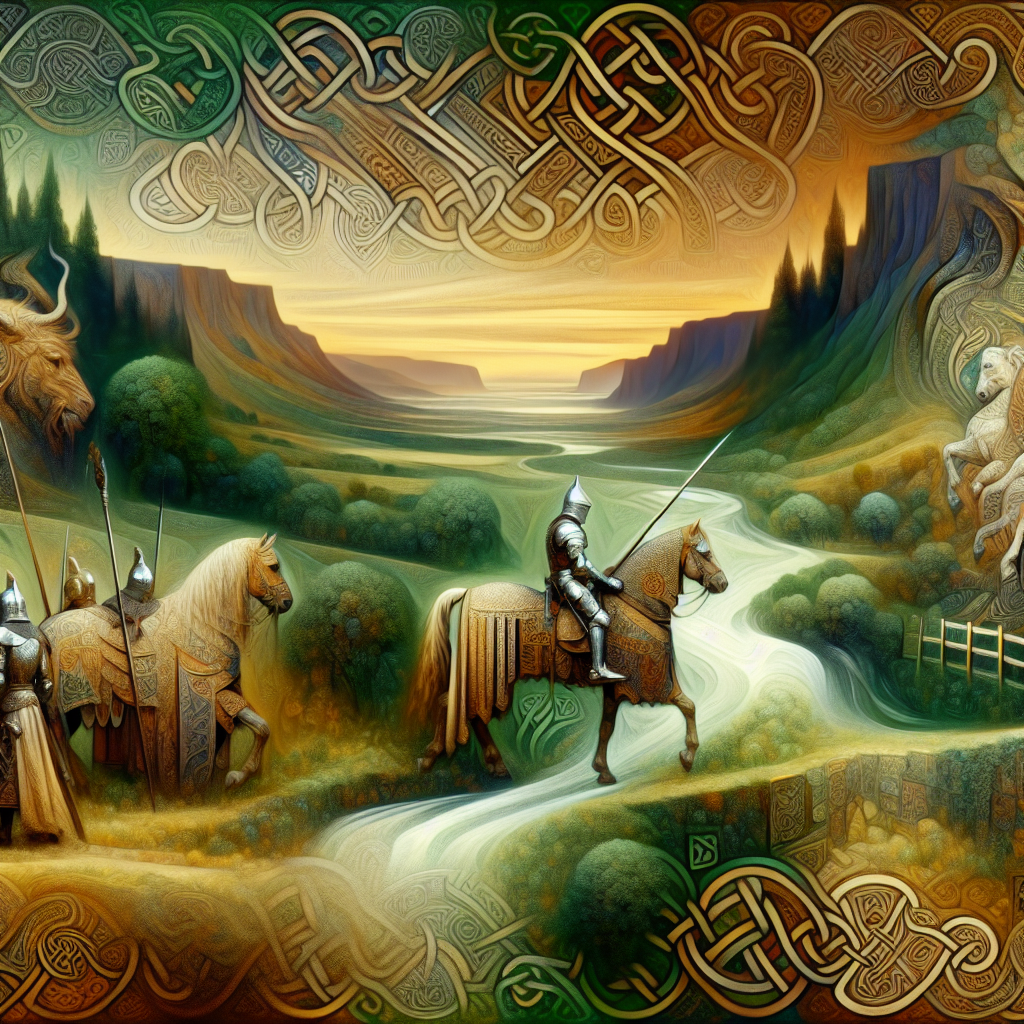
Rhonabwy, a character in the tale, experiences a vivid dream that transports him to a fantastical realm where he meets legendary figures, including King Arthur and his retinue. The narrative unfolds as Rhonabwy seeks a lost hawk, which leads him into the depths of his own psyche and the world of myth.
Characters
- Rhonabwy: The protagonist, a man caught between reality and the dream world.
- King Arthur: A prominent figure in many Welsh tales, representing nobility and valor.
- Owain: A knight who serves as a guide and mentor to Rhonabwy within the dream.
- The Lady of the Lake: A mystical figure who embodies the enchantment of the dream landscape.
Key Motifs
- Dreams and Reality: The story explores the boundary between dreams and waking life, showcasing how dreams can influence reality.
- Identity and Transformation: Characters undergo transformations, reflecting the fluid nature of identity within Celtic mythology.
- Heroic Quests: The pursuit of the lost hawk serves as a metaphor for the quest for self-discovery and understanding.
Cultural Significance
The tale serves as a lens through which we can examine the values of Celtic society. Themes of hospitality, bravery, and the supernatural are prevalent, revealing the importance of kinship and community.
Important Themes
- Fate vs. Free Will: Rhonabwy's journey raises questions about destiny and the choices individuals make.
- The Supernatural: Elements of magic and enchantment highlight the belief in otherworldly forces that govern human affairs.
- Chivalry and Honor: The ideal of the noble knight is embodied in characters like Owain, reinforcing social values.
Conclusion
"The Dream of Rhonabwy" stands as a testament to the richness of Welsh mythology and the enduring power of storytelling. Its exploration of dreams, identity, and heroism resonates with universal themes, making it a valuable piece of the Mabinogion and Celtic literature as a whole.
Further Reading
For those interested in delving deeper into the Mabinogion and its cultural implications, consider the following resources:
- "The Mabinogion" translated by Jeffrey Gantz: A classic translation that remains accessible to modern readers.
- "The Welsh Mabinogion" by Sioned Davies: A contemporary take that offers insightful commentary on the tales.
By understanding "The Dream of Rhonabwy," we gain insight into the rich mythological traditions of the Celts and their enduring legacy in literature and culture.
Be the first to comment!
You must log in or signup to post comments.