Introduction to Niall of the Nine Hostages
Niall of the Nine Hostages is one of the most significant figures in Irish mythology, particularly within the Celtic Historical Cycle. His legendary tales intertwine history, myth, and national identity, showcasing the values and culture of early Irish society.
Historical Context
Niall is believed to have lived during the late 4th and early 5th centuries. He is often associated with the early formation of the Irish monarchy and the spread of Christianity in Ireland. His reign is thought to have marked a transition from paganism to Christianity, reflecting broader historical shifts in Ireland.
Key Dates and Events
| Date | Event |
|---|---|
| c. 400 AD | Niall's reign as a king begins |
| c. 432 AD | Arrival of St. Patrick in Ireland |
Key Characters
Niall's adventures are populated with various figures that reflect the complexities of Celtic society:
- Niall: The central protagonist, a king known for his valor and strategic mind.
- St. Patrick: The missionary credited with converting Ireland to Christianity, who later influenced the narrative surrounding Niall.
- Muirchertach: Niall's son, who continued his legacy.
- The Hostages: A group of captives representing various tribes, used to maintain peace and alliances.
Notable Adventures
Niall's stories, primarily documented in texts like the Annals of the Four Masters and the Lebor Gabála Érenn, depict his numerous adventures:
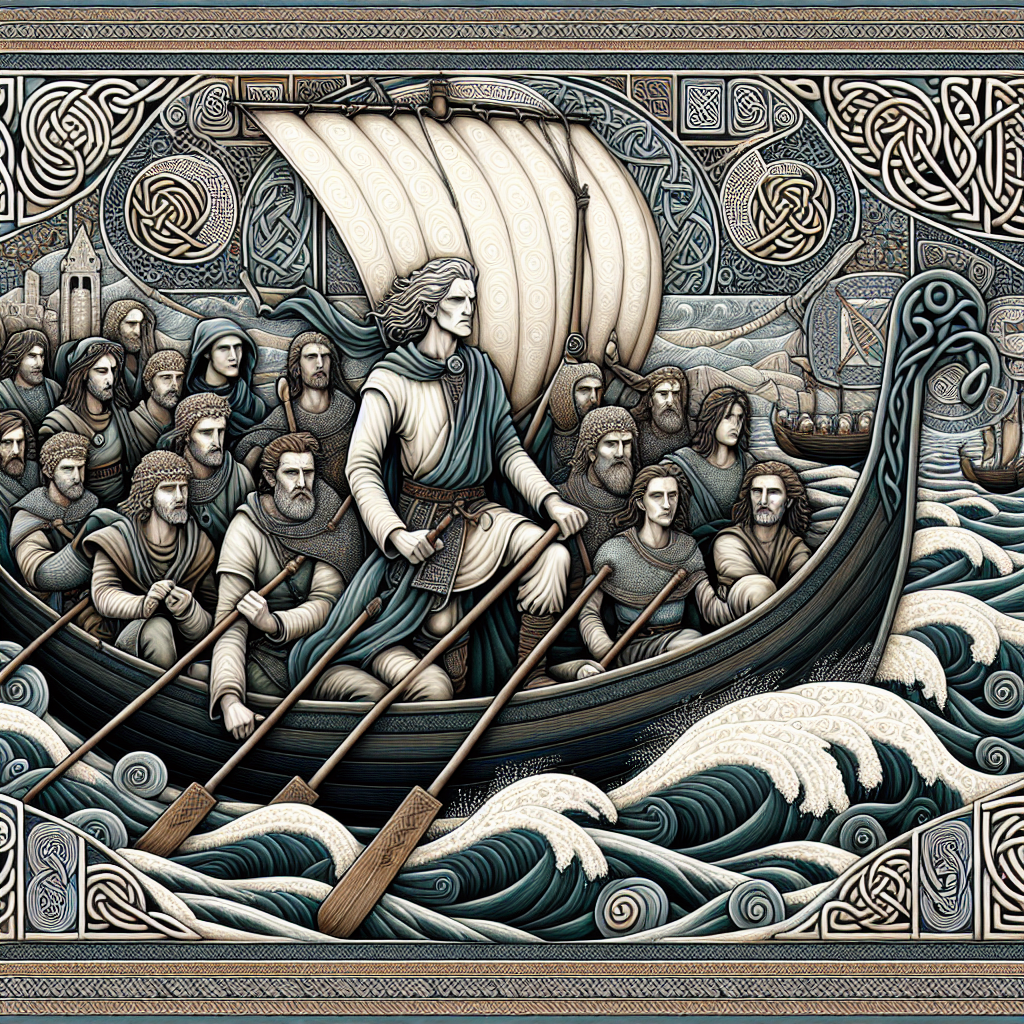
- Conquests and Raids: Niall is famed for his expeditions across Britain and France, where he captured hostages from various kingdoms.
- Unification of Tribes: His leadership led to a temporary unification of the Irish tribes under his banner, showcasing his diplomatic skills.
- Encounter with the Divine: Niall’s interactions with the supernatural, including prophecies and omens, reinforce his status as a legendary hero.
Themes and Motifs
Niall’s adventures embody several key themes prevalent in Celtic mythology:
- Heroism and Leadership: Niall is depicted as a quintessential hero, embodying bravery, wisdom, and the ability to lead.
- Hostage-taking as Political Strategy: The practice of taking hostages was common in ancient Ireland, symbolizing power dynamics and the importance of alliances.
- Transition to Christianity: Niall's legacy is often contrasted with the arrival of Christianity, representing a cultural shift in Irish society.
Cultural Significance
Niall of the Nine Hostages holds a prominent place in Irish folklore, influencing both historical narratives and modern perceptions of Irish identity. His legendary status contributes to a shared cultural heritage, highlighting the blend of myth and history.
Conclusion
The tales of Niall of the Nine Hostages illustrate the rich tapestry of Celtic mythology intertwined with historical events. As a pivotal figure in the Historical Cycle, Niall’s adventures reflect the values, politics, and spiritual transitions of early Irish society. His legacy continues to resonate today, shaping the understanding of Ireland’s past and cultural identity.
Suggested Reading
For those interested in exploring more about Niall and Celtic mythology, consider the following sources:
- The Annals of the Four Masters
- Lebor Gabála Érenn (The Book of Invasions)
- Celtic Mythology: A Guide to the Gods, Heroes, and Legends by David Leeming
This exploration of Niall of the Nine Hostages not only emphasizes his adventures but also invites readers to contemplate the intricate weave of history and myth in Celtic culture.
Be the first to comment!
You must log in or signup to post comments.