End of the Second Punic War accelerates Roman focus on subduing remaining Gauls in Northern Italy
- Ceilteach.org
- 20 views
- Login to like
The Second Punic War and its Aftermath
The Second Punic War, fought between 218 and 201 BCE, was a significant conflict between the Roman Republic and the Carthaginian (Punic) empire. The war ended with a decisive Roman victory, which significantly shifted the balance of power in the Mediterranean region.
Roman Focus Shifts to Northern Italy
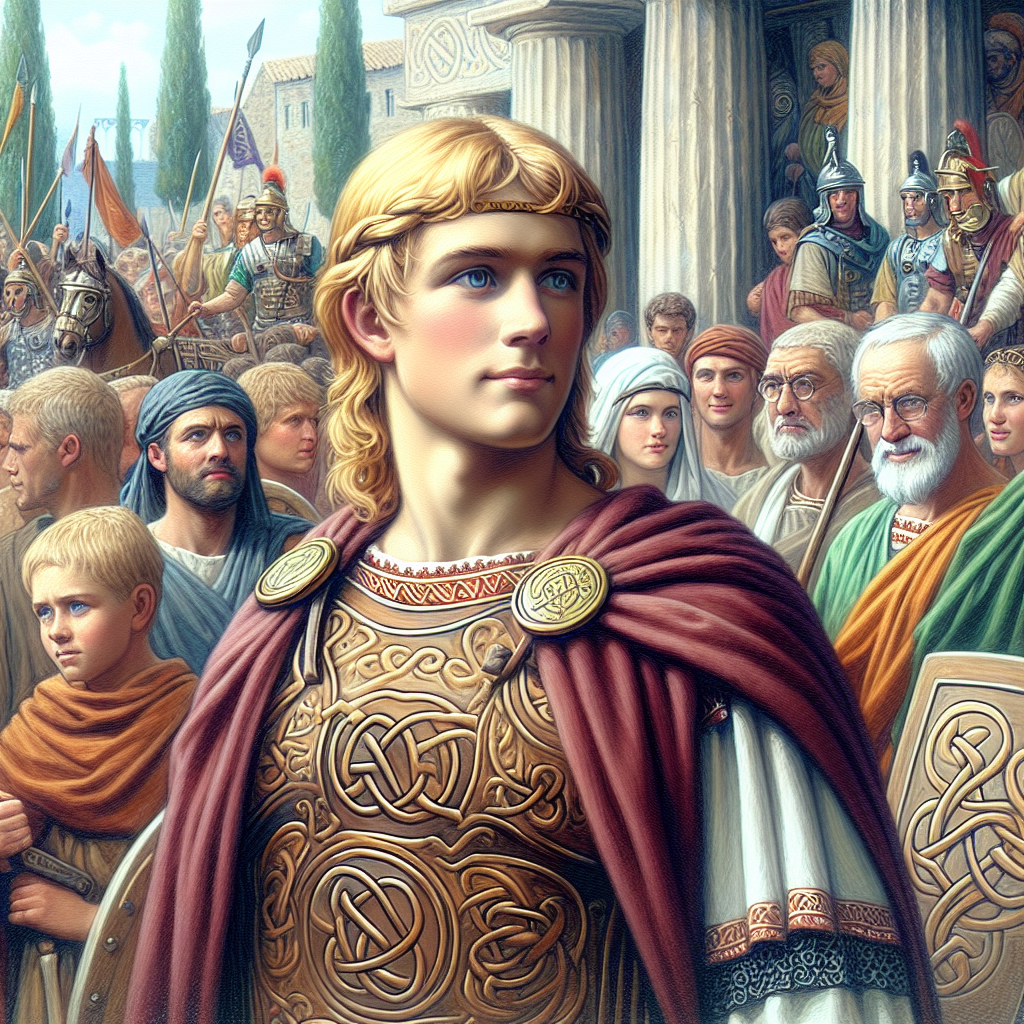
With the threat from Carthage neutralized, Rome turned its attention to the remaining Gauls in Northern Italy. The Gauls had been a thorn in Rome's side for centuries, and the end of the Punic War provided an opportunity for Rome to focus on subduing these tribes.
The Gauls and Rome
The Gauls were a collection of Celtic tribes that inhabited much of Europe, including parts of Northern Italy. They were known for their warrior culture and had clashed with Rome on numerous occasions.
The Roman Strategy
Rome's strategy for dealing with the Gauls involved a combination of military force and diplomacy. The Romans built fortifications and established colonies in Gaulish territory, gradually encroaching on their land and restricting their mobility.
| Year | Event |
|---|---|
| 218 BCE | Start of the Second Punic War |
| 201 BCE | End of the Second Punic War |
| 201 BCE | Rome begins focus on Gauls |
Be the first to comment!
You must log in or signup to post comments.