Introduction
In the rich tapestry of Celtic mythology, particularly within the Mythological Cycle, the tale of Nuada and his silver hand stands out as a poignant narrative of loss, restoration, and the complexities of kingship. This myth emerges from ancient Irish lore, primarily documented in texts such as the Lebor Gabála Érenn (Book of Invasions) and the Táin Bó Cúailnge (Cattle Raid of Cooley).
Historical Context
The Mythological Cycle encapsulates the beliefs and traditions of pre-Christian Ireland. It reflects a culture deeply connected to its deities, heroes, and the land. The stories often serve to explain natural phenomena, societal norms, and the struggles for power among different factions.
Key Dates and Characters
| Date | Character | Place | Theme |
|---|---|---|---|
| c. 8th century AD | Nuada | Tara | Kingship and Sacrifice |
| c. 1st century AD | Lugh | Magh Tuired | Heroism and Destiny |
| c. 1st century AD | Dian Cécht | Tuatha Dé Danann | Healing and Restoration |
The Story of Nuada
Nuada's Kingship
Nuada, king of the Tuatha Dé Danann, is a central figure in the mythological narrative. He is often depicted as a warrior with a strong sense of justice and leadership. His reign is marked by the arrival of the Tuatha Dé Danann in Ireland, where they confront the Fir Bolg and later the Fomorians.
The Loss of the Hand
During the first battle with the Fomorians, Nuada loses his right hand, a significant blow not just to him personally but to his kingship. In Celtic culture, physical perfection was often associated with rightful rule; a king who was flawed could be seen as unfit to lead. Thus, his injury rendered him unfit for kingship.
The Restoration
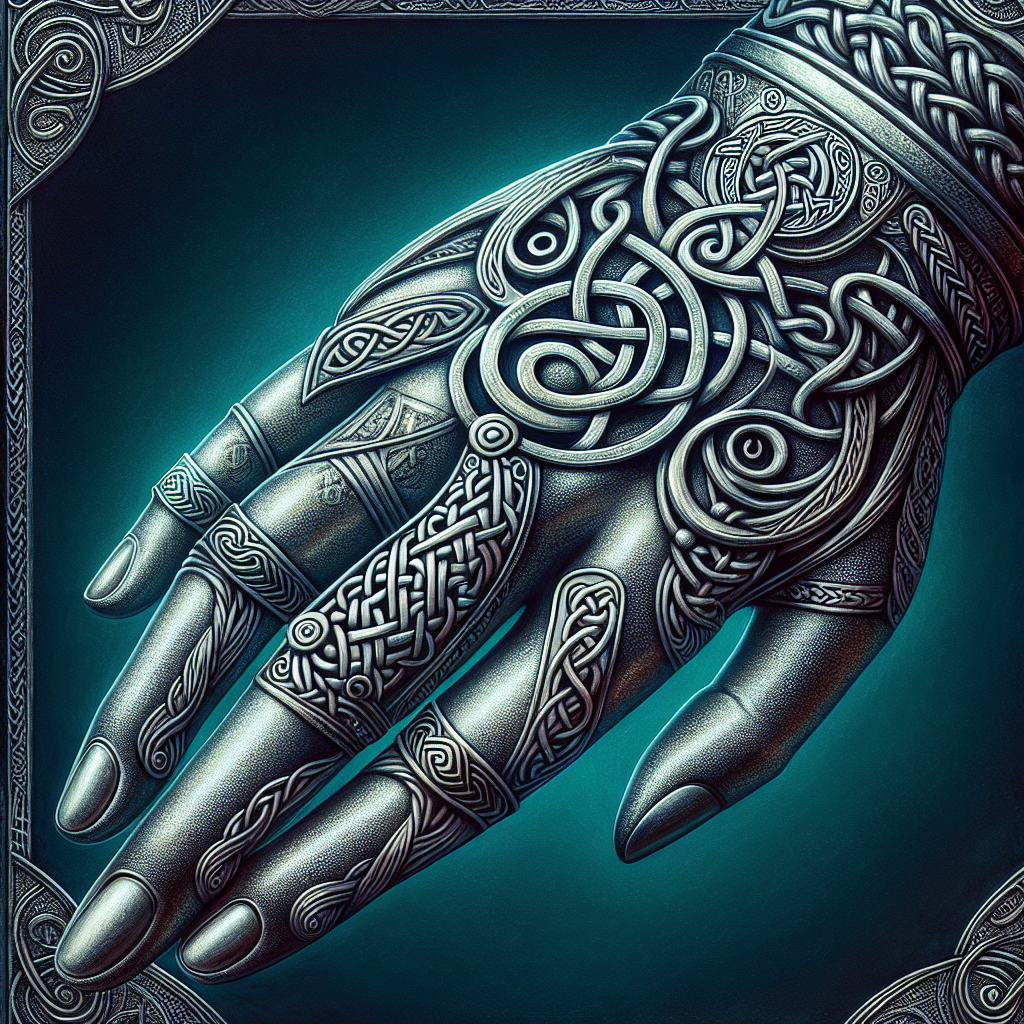
In a twist of fate, the healer Dian Cécht creates a silver hand for Nuada, symbolizing both loss and recovery. This hand not only restores him physically but also serves as a metaphor for the resilience of the human spirit. The act of crafting the silver hand illustrates the importance of healing and the notion that even those who suffer great losses can find ways to adapt and thrive.
The Implications of the Silver Hand
Nuada's silver hand is more than a mere artifact; it signifies several key motifs:
- Transformation: The hand represents the ability to adapt to circumstances.
- Kingship: Nuada’s story reflects the belief that a leader must embody strength and purity.
- Sacrifice: His journey illustrates the sacrifices required for leadership and the burdens that come with power.
Cultural Significance
Nuada's tale resonates deeply within the context of Gaelic culture. It captures the tensions of leadership, the importance of healing, and the belief in the supernatural. The story serves as a reminder of the interplay between fate and personal agency.
Legacy in Modern Culture
The myth of Nuada continues to influence modern interpretations of Celtic mythology, appearing in literature, art, and popular culture. His character embodies the archetype of the flawed hero, making him relatable to contemporary audiences.
Conclusion
The Silver Hand of Nuada remains a compelling narrative within the Mythological Cycle, illustrating profound themes of loss, restoration, and the complexities of leadership. Through his story, we glimpse the values and beliefs of ancient Irish society, ensuring that his legacy endures through the ages.
References
- Lebor Gabála Érenn (Book of Invasions)
- Táin Bó Cúailnge (Cattle Raid of Cooley)
- O'Brien, Clare. Celtic Mythology: A Guide to the Celts and Their Myths.
By exploring the tale of Nuada and his silver hand, we not only delve into the myths of the past but also reflect on the timeless human experiences they encapsulate.
Be the first to comment!
You must log in or signup to post comments.