Introduction to the Fenian Cycle
The Fenian Cycle is one of the four great cycles of Irish mythology, characterized by tales of heroism, adventure, and the legendary band of warriors known as the Fianna. This cycle centers around the heroic figure of Fionn mac Cumhail and his companions, who are renowned for their bravery, loyalty, and connection to the natural world.
Historical and Mythological Context
The Fenian Cycle is believed to have originated in the oral tradition of Ireland around the 2nd century AD, although written accounts date back to the 12th century. This cycle reflects the values and beliefs of early Irish society, such as honor, courage, and the guardianship of the land. The tales of the Fianna often intertwine with historical events and figures, blurring the lines between myth and history.
The Fianna: Key Characters
The Fianna were not merely a band of warriors; they were a brotherhood who protected the kingdom of Tara and upheld justice. Key figures in the tales include:
| Character | Role |
|---|---|
| Fionn mac Cumhail | Leader of the Fianna |
| Diarmuid Ua Duibhne | Fionn's loyal companion |
| Oisín | Son of Fionn, a great poet |
| Gráinne | The beautiful princess |
Fionn mac Cumhail
Fionn, the archetypal hero, is famed for his wisdom, leadership, and his ability to gain knowledge by tasting the Salmon of Knowledge. His narratives often depict him facing formidable foes while demonstrating his prowess in battle and strategy.
Diarmuid Ua Duibhne
Diarmuid, known for his tragic love story with Gráinne, embodies the theme of loyalty and the consequences of desires that clash with duty.
Oisín
Oisín, the poet-warrior, represents the connection between the mortal world and the Otherworld, often engaging in epic tales that explore love and loss.
The Hunting of the Fianna
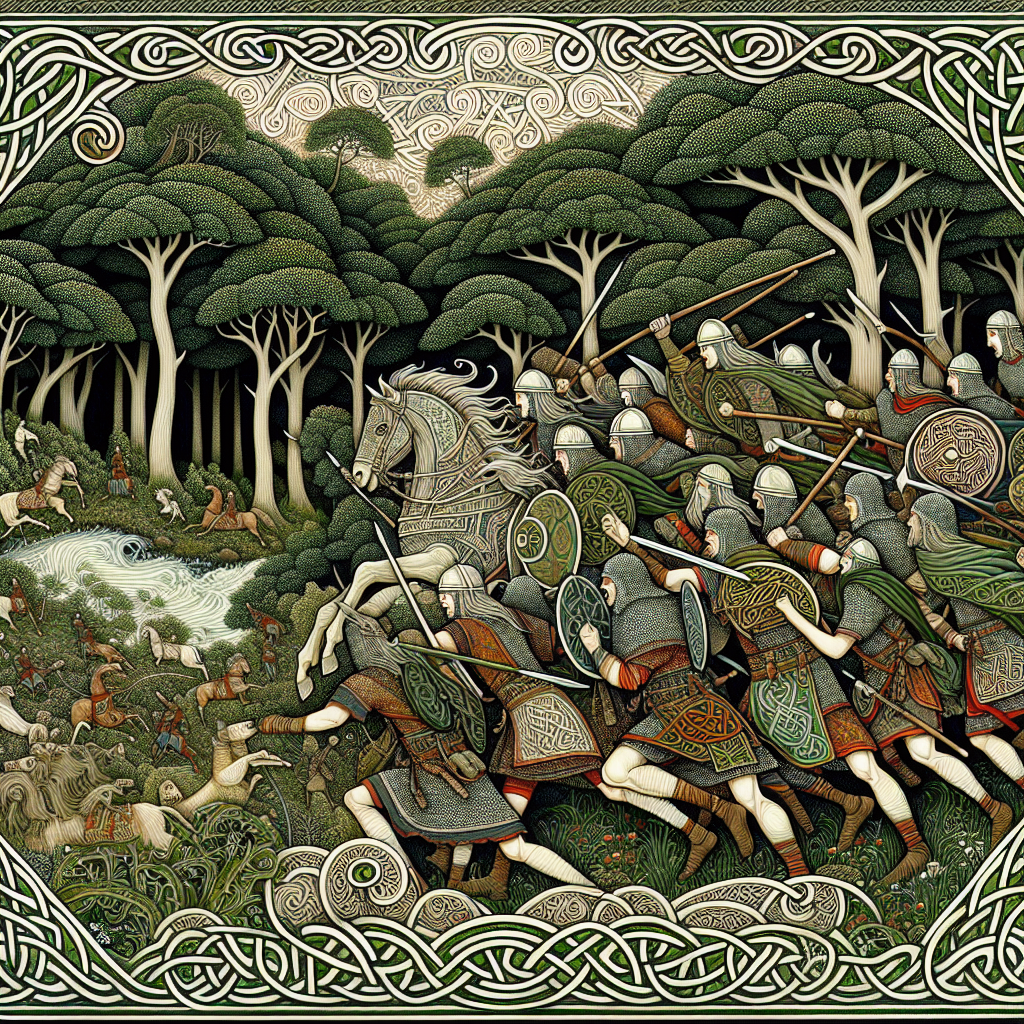
One of the most notable stories within the Fenian Cycle is "The Hunting of the Fianna." This tale presents a thrilling narrative that illustrates the camaraderie and skills of the Fianna while highlighting their relationship with nature.
Plot Summary
The story begins with Fionn leading the Fianna on a grand hunting expedition. The hunt is not merely for food but serves as a symbol of their unity and prowess. Key events include:
- The Chase: The Fianna pursue a magical beast, often depicted as a giant stag or a monstrous creature that tests their hunting skills.
- Trials and Tribulations: The hunt is fraught with challenges, including treachery and encounters with supernatural beings.
- Victory and Reflection: Ultimately, the Fianna's victory is bittersweet, often leading to reflections on their lives, the inevitability of change, and the passage of time.
Key Motifs
Several motifs recur throughout "The Hunting of the Fianna":
- Nature and the Supernatural: This tale emphasizes the connection between the Fianna and the natural world, showcasing their respect for the land and its creatures.
- Heroism and Brotherhood: The unity and loyalty among the Fianna highlight the importance of companionship in overcoming adversity.
- Tragic Consequences: Many hunts lead to unforeseen outcomes, often reflecting on the transient nature of glory and life.
Cultural Significance
The tales of the Fenian Cycle, particularly "The Hunting of the Fianna," have played a pivotal role in shaping Irish identity and folklore. They serve as a bridge between the past and present, allowing modern audiences to explore themes of heroism, nature, and the struggles of human existence.
Legacy
The stories continue to inspire literature, art, and music, reflecting the enduring impact of the Fianna in Irish culture. Festivals and reenactments celebrate the bravery and adventures of these legendary figures, ensuring that their legacy remains alive.
Conclusion
"The Hunting of the Fianna" encapsulates the rich tapestry of the Fenian Cycle, illustrating the complexities of heroism, the bonds of brotherhood, and the deep connection to nature that defines Irish mythology. Through these stories, we gain insight into the values and beliefs that shaped ancient Irish society, continuing to resonate with audiences today.
References
- MacCana, Proinsias. Celtic Mythology. Thames and Hudson, 1970.
- O'Grady, Standish Hayes. Silva Gadelica. 1892.
Be the first to comment!
You must log in or signup to post comments.