Introduction
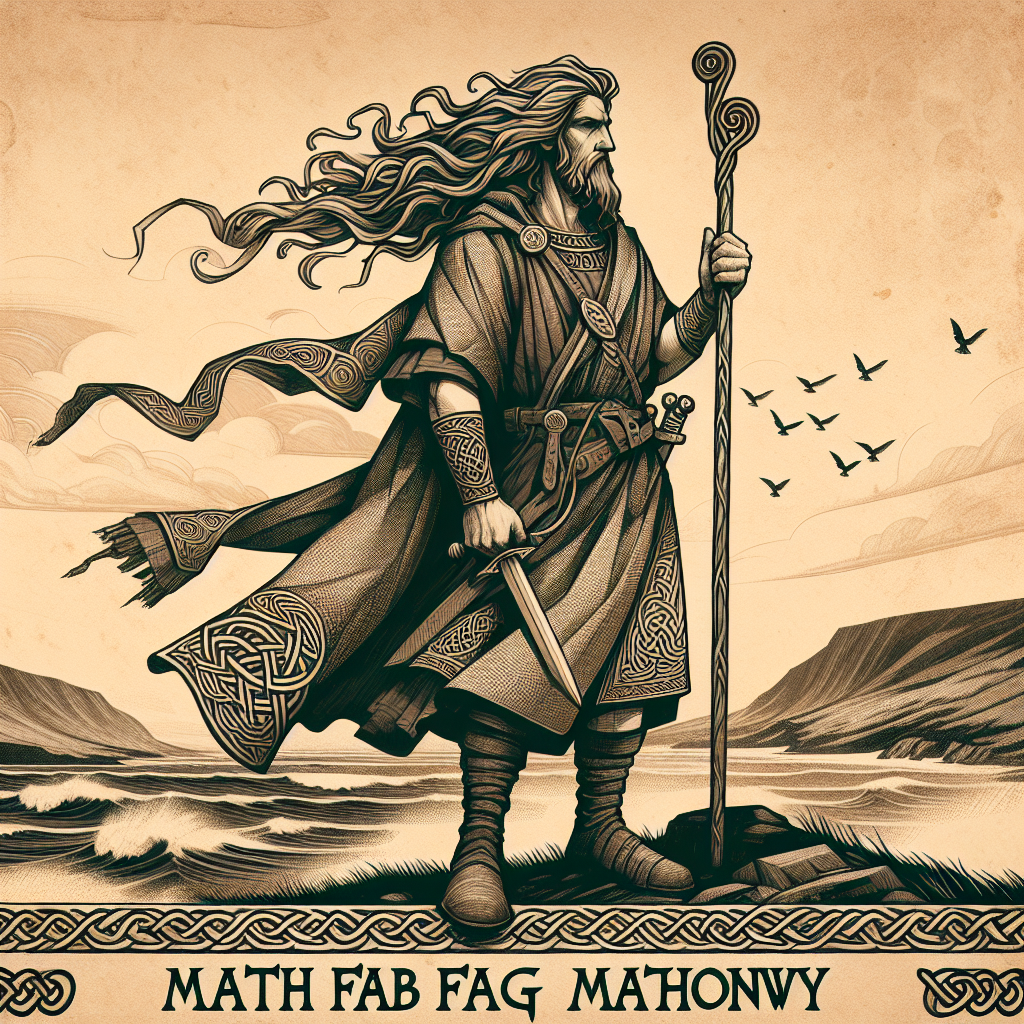
Math fab Mathonwy is a pivotal character in the Fourth Branch of the Mabinogion, a collection of Welsh tales that form an essential part of Celtic mythology. This branch intertwines themes of magic, sovereignty, and familial relationships, revealing the complexities of Welsh mythos.
Historical Context
The Mabinogion is thought to have been compiled in the 12th and 13th centuries, drawing from oral traditions that date back centuries earlier. The Fourth Branch, known as "Math fab Mathonwy," encapsulates the cultural and mythological landscape of medieval Wales, with significant influences from Celtic and pre-Christian beliefs.
Synopsis of the Fourth Branch
The tale revolves around Math, a powerful magician and lord of Gwynedd, who can only keep his feet in the lap of a virgin. The narrative features key figures:
- Math fab Mathonwy: The protagonist and a master of magic.
- Gwydion: Math's nephew, known for his cleverness and trickery.
- Gilfaethwy: Gwydion's brother, who becomes embroiled in a series of misadventures.
- Arianrhod: Math's niece, whose actions catalyze much of the conflict.
Key Events
- Arianrhod's Birthright: Arianrhod's denial of her son, Lleu Llaw Gyffes, sets the stage for conflict.
- The Creation of Lleu: Gwydion and Math create Lleu from flowers and enchantments.
- The Curse of Arianrhod: Arianrhod places a curse on her son, affecting his destiny.
- The Battle Against the Giants: The tale culminates in a confrontation with Gwydion and Gilfaethwy's misdeeds.
Characters and Their Roles
| Character | Role |
|---|---|
| Math | Lord and magician, symbolizing authority |
| Gwydion | Trickster and hero, embodies cleverness |
| Gilfaethwy | Antagonist, represents folly and recklessness |
| Arianrhod | Mother figure, challenges traditional roles |
Themes and Motifs
Sovereignty and Power
Math exemplifies the ideal ruler, using magic to maintain balance and order. His ability to keep his feet in the lap of a virgin symbolizes the importance of purity and legitimacy in leadership.
Gender and Identity
The tale explores gender roles, especially through Arianrhod, who defies expectations by asserting agency over her son, thus challenging traditional maternal archetypes.
Magic and Transformation
Magic is a central motif, representing both the potential for creation and destruction. Gwydion’s cleverness showcases the transformative power of intellect and deception.
Tragedy and Redemption
The characters often face dire consequences for their actions, reflecting a moral universe where justice prevails, but not without suffering.
Cultural Significance
The Mabinogion, particularly the Fourth Branch, serves as a crucial source for understanding medieval Welsh culture and its mythology. Math fab Mathonwy's story illustrates the integration of Celtic beliefs into narratives that explore human nature, societal roles, and the supernatural.
Influence on Literature and Art
The themes and characters have inspired countless adaptations in literature, art, and modern media, illustrating their enduring relevance. Notably, the stories have influenced J.R.R. Tolkien and other fantasy writers.
Conclusion
Math fab Mathonwy stands as a complex figure within the rich tapestry of the Mabinogion. His story, filled with magic, conflict, and moral lessons, continues to resonate, offering insights into the values and beliefs of ancient Welsh society. Through the intertwining lives of Math, Gwydion, Arianrhod, and others, the Fourth Branch remains a significant testament to the enduring legacy of Celtic mythology.
References
- Jones, Gwyn. The Mabinogion. Penguin Classics, 2005.
- Phillips, David. Welsh Mythology and Folklore in Popular Culture. University of Wales Press, 2015.
This article provides an overview of Math fab Mathonwy, emphasizing his role and the broader cultural implications within the Mabinogion.
Be the first to comment!
You must log in or signup to post comments.