Introduction
The tale of "Lludd and Llefelys" is one of the lesser-known stories from the Mabinogion, a collection of medieval Welsh tales that preserve the rich tapestry of Celtic mythology. This narrative not only reflects the mythic past of the Celts but also provides insights into their societal values, fears, and aspirations.
Historical and Mythological Context
The Mabinogion dates back to the 12th and 13th centuries, compiling stories rooted in oral traditions that predate the written record. The tales are steeped in Celtic mythology, featuring supernatural elements, heroic deeds, and moral lessons. "Lludd and Llefelys" specifically highlights themes of kingship, loyalty, and the struggle against chaos.
Key Historical Context
| Date | Event |
|---|---|
| c. 1100-1300 | Compilation of the Mabinogion |
| 6th Century | Possible historical basis for Lludd |
Main Characters
Lludd
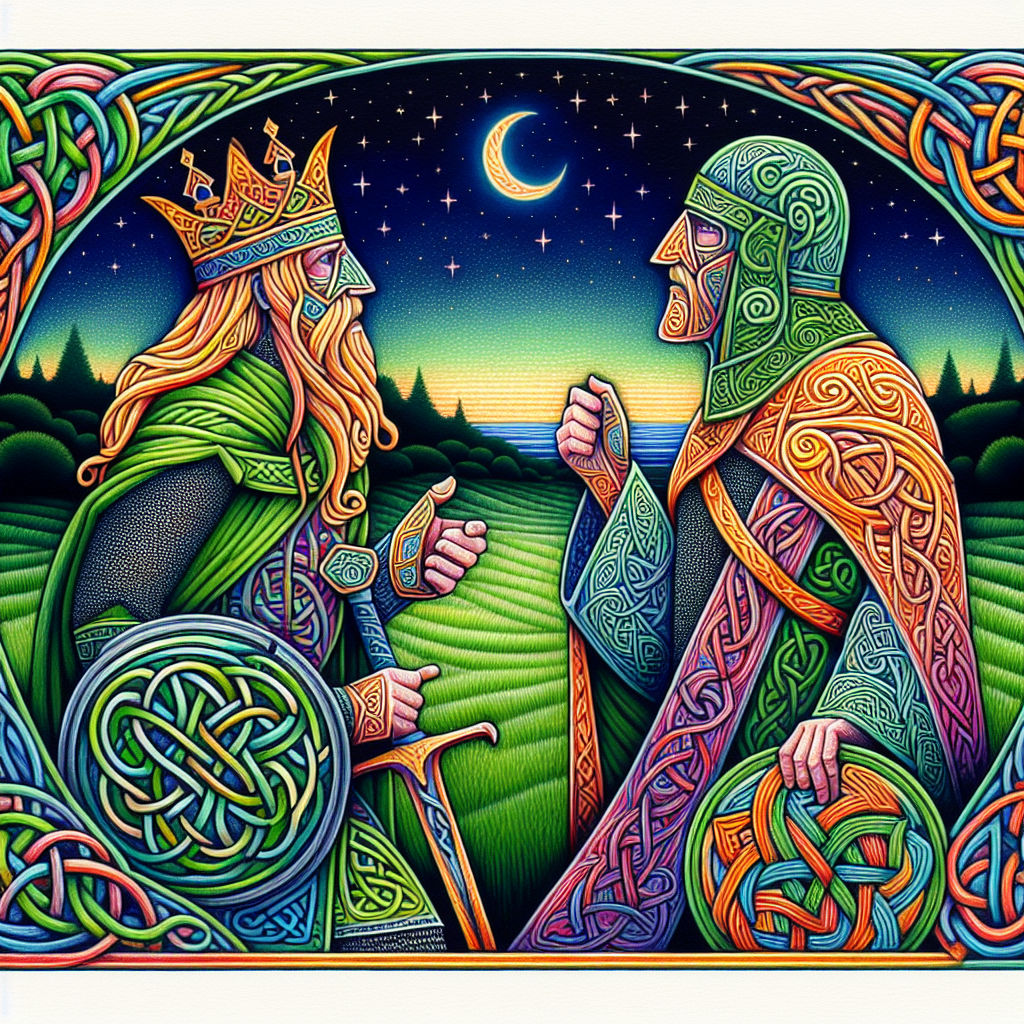
Lludd, also known as Lludd Llaw Eraint, is a king of Britain, characterized by wisdom and bravery. He faces numerous challenges that threaten the stability of his realm.
Llefelys
Llefelys is Lludd's brother and a king of France. He embodies intellect and resourcefulness, providing crucial assistance to Lludd during his trials.
Supporting Characters
- The Three Plagues: These are supernatural threats that afflict Lludd's kingdom, representing chaos.
- The Giant: A recurring motif in Celtic tales, symbolizing formidable obstacles.
Plot Overview
The narrative unfolds as Lludd learns of three plagues plaguing his kingdom:
- A deafening scream that terrifies the populace.
- A mysterious giant who steals food and resources.
- A creature that abducts the nobility.
To confront these crises, Lludd seeks the counsel of his brother Llefelys, who devises a plan. Through clever strategies and magical means, they manage to overcome the plagues, restoring peace and order.
Key Motifs
Chaos vs. Order
The tale embodies the struggle between chaos and order, a recurring theme in Celtic mythology. Lludd's efforts to restore harmony to his kingdom mirror the societal need for stability amidst turmoil.
Kinship and Loyalty
The bond between Lludd and Llefelys emphasizes the importance of family and loyalty. Their collaboration not only showcases brotherly love but also highlights communal strength in overcoming adversity.
The Supernatural
Magical elements play a crucial role in the narrative. The plagues are not merely physical threats but also symbolize deeper existential fears faced by the people.
Cultural Significance
The story of "Lludd and Llefelys" offers a glimpse into Celtic values and beliefs. It reflects the importance of leadership, the need for wisdom in governance, and the belief in supernatural forces that could disrupt daily life.
Themes in Celtic Society
- Leadership: The king's responsibility to maintain order.
- Community: The role of kinship in facing challenges.
- Mythology: The interplay of human and supernatural realms.
Conclusion
"Lludd and Llefelys" serves as a vital piece of Celtic mythology, encapsulating themes that resonate through history. It speaks to the timeless human experiences of struggle, resilience, and the quest for order in a chaotic world. As part of the Mabinogion, it highlights the rich narrative tradition of the Celts, preserving their cultural heritage for generations to come.
References
- Jones, Gwyn. The Mabinogion. Penguin Classics, 2005.
- R. S. Loomis. Celtic Mythology. 1963.
This narrative invites readers to reflect on the significance of these myths and their relevance in understanding not only Celtic culture but also universal human experiences.
Be the first to comment!
You must log in or signup to post comments.