Introduction
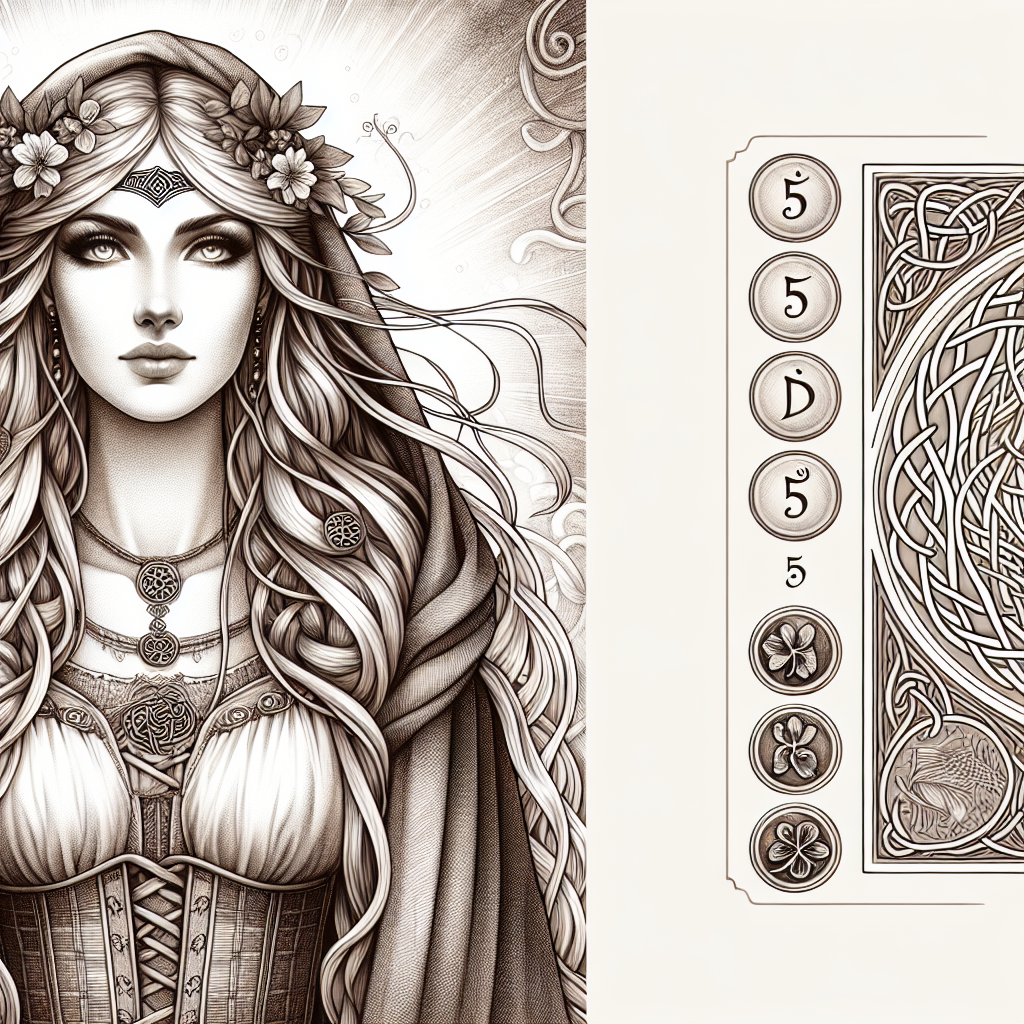
Branwen ferch Llŷr, a prominent figure in Welsh mythology, is the heroine of the Second Branch of the Mabinogion. This collection of tales from medieval Welsh literature is steeped in themes of love, betrayal, and tragedy, reflecting the cultural and societal norms of the time.
Historical Context
The Mabinogion dates back to the 12th century, drawing upon oral traditions of earlier centuries. It is a vital source for understanding Celtic mythology, culture, and history. The Second Branch, focusing on Branwen, intertwines myth and history, showcasing the significance of lineage, honor, and the interplay between human and divine realms.
Characters
The tale features a rich cast of characters, each contributing to the narrative's complexity:
- Branwen: Daughter of Llŷr and sister to Bran the Blessed.
- Bran the Blessed: A giant and king, embodying strength and wisdom.
- Matholwch: The Irish king who marries Branwen.
- Efnysien: Branwen's half-brother, whose jealousy sparks conflict.
- Llŷr: Branwen's father, representing familial ties and power.
Key Themes
Love and Sacrifice
Branwen's marriage to Matholwch symbolizes love but soon reveals the sacrifices required in relationships. Her loyalty to her family and kingdom leads to devastating consequences.
Betrayal and Revenge
Efnysien's bitterness towards the Irish and his subsequent actions highlight themes of betrayal. His desire for revenge against Matholwch sets off a tragic chain of events, emphasizing the destructive nature of vengeance.
Transformation and Identity
The story contains elements of transformation, where characters undergo significant changes, reflecting deeper truths about identity and the human condition.
Plot Summary
The narrative begins with Branwen being married off to Matholwch to secure peace between Britain and Ireland. Initially, the union seems beneficial, but discord arises due to Efnysien's actions, leading to a brutal conflict between the two kingdoms. The tale culminates in tragedy, with Branwen's eventual demise and a devastating loss for both sides.
Cultural Significance
Branwen ferch Llŷr serves as an archetype of the tragic heroine in Celtic mythology, embodying the societal roles of women in her time. Her story reflects the importance of kinship, loyalty, and the dire consequences of familial conflict.
Symbolism of the Raven
Branwen's name, often associated with ravens, signifies transformation and omens in Celtic culture. Ravens were seen as messengers of fate, linking humanity to the divine.
| Aspect | Details |
|---|---|
| Time Period | 12th Century |
| Key Characters | Branwen, Bran, Matholwch, Efnysien |
| Main Themes | Love, Betrayal, Identity |
| Cultural Impact | Reflection of societal norms and values |
Conclusion
Branwen ferch Llŷr remains a poignant figure in Welsh mythology, illustrating the complexity of human emotions and relationships. The Second Branch of the Mabinogion serves as a timeless reminder of the consequences of love, loyalty, and revenge, resonating with audiences across generations.
Sources
- Jones, Gwyn. The Mabinogion. Penguin Classics, 2006.
- Bromwich, Rachel. The Welsh Triads. University of Wales Press, 1988.
Be the first to comment!
You must log in or signup to post comments.