The Cath Maige Tuired Myth, MacLaughlin Clans, and Gaelic Phrases
Exploring the Epic Myth of Cath Maige Tuired
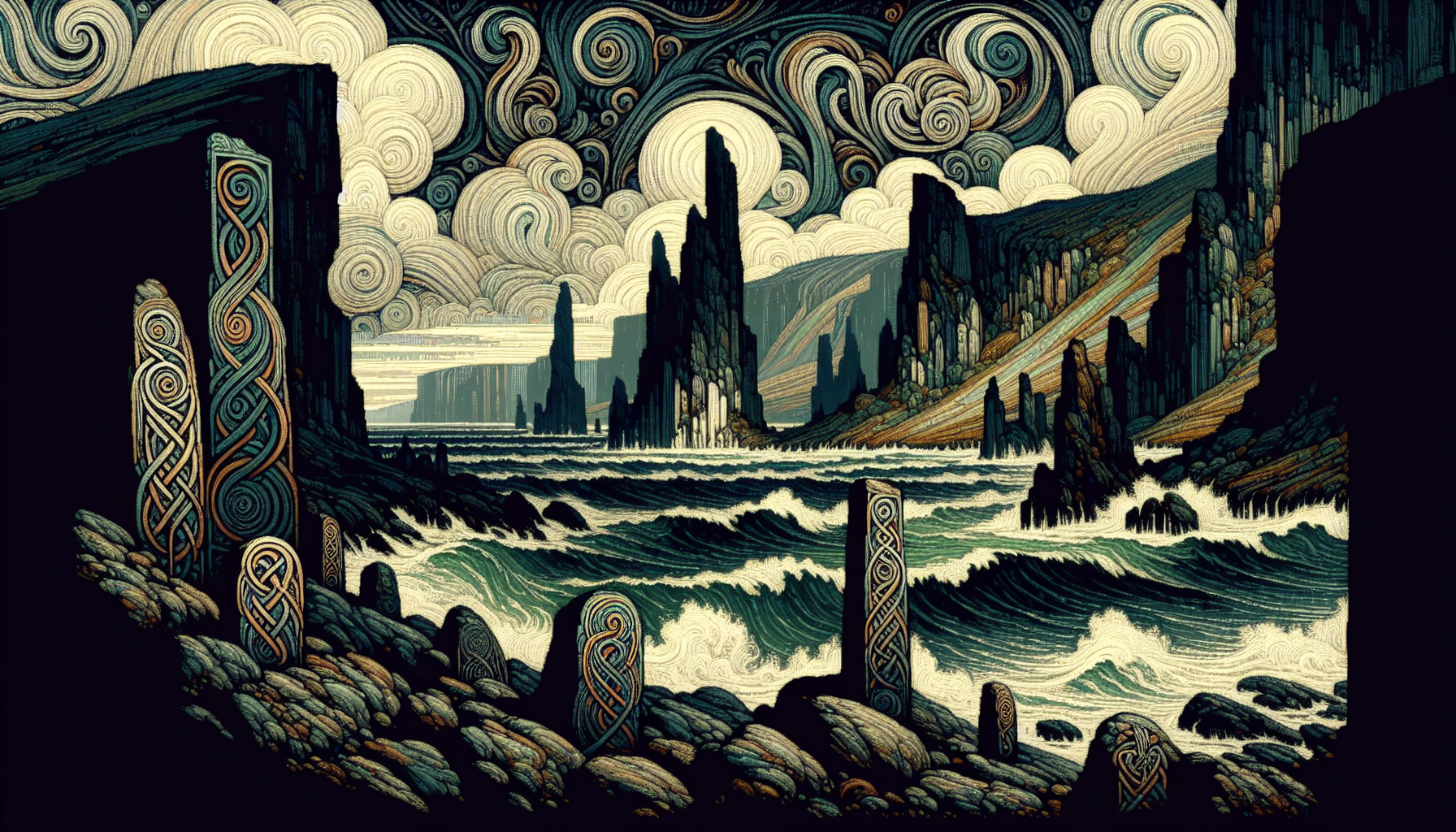
The saga of the Cath Maige Tuired (First Battle of Mag Tuired) and its sequel, the Second Battle of Mag Tuired, stand among the most powerful tales of Irish mythology. These myths vividly chronicle the Tuatha Dé Danann's heroic battles against the formidable Fomorians. The stories explore timeless themes such as the struggle between good and evil, the search for identity, and the influence of divine intervention. They not only provide insight into ancient Irish beliefs but have also shaped Irish literary and cultural traditions over centuries.
The MacLaughlin Clan: Roots in the Heart of Ulster
Journeying from myth to history, the story of the MacLaughlin clan of Ulster offers a compelling glimpse into medieval Ireland. Known for their steadfast presence in the lush rolling hills of Ulster, the MacLaughlins played a significant role in the region's historical landscape. Their deep connection to the land and legacy speaks to the broader tapestry of Celtic clans that have shaped Scotland, Ireland, Wales, and Brittany. For those captivated by Scottish heritage, the MacRea clan nestled in the Highlands offers another rich narrative woven into Scotland's rugged terrain.
Embracing the Celtic Tongues: Irish and Scots Gaelic
Language is a living thread that connects the present with our ancestral past, and in the Celtic world, Irish Gaelic and Scots Gaelic are particularly evocative. Irish Gaelic (Gaeilge) resonates through the communities of Ireland with a warmth and pride that has survived through centuries. For learners eager to start speaking, simple phrases like "Thank you" in Irish Gaelic or "Tuesday" in Irish Gaelic offer approachable beginnings.
Meanwhile, the spirited sounds of Scots Gaelic (Gàidhlig) connect island shores to highland glens. Expressing everyday sentiments such as "Have a good day (to one person)" in Scots Gaelic or even the emphatic "That's good!" in Scots Gaelic enriches the learner’s experience and deepens appreciation of Gaelic culture.
Celtic History Through Timelines and Quizzes
Understanding Celtic history is enhanced by exploring key historical moments, such as the Norse expansion in the Hebrides and Irish Sea around 825 CE, which intensified contact between Gaelic and Norse peoples. This interaction shaped cultural evolution across the Celtic lands.
Another fascinating epoch is the Antonine advance ordered by Emperor Antoninus Pius in 142 CE, highlighting the Roman incursions into Scotland and their impact on Celtic tribes.
For those who love interactive learning, quizzes such as the Battle of Largs and the Roman provincial consolidation and campaigns against Brittonic groups invite a deeper dive into Celtic military history and cultural resilience.
Through these myths, clans, languages, and historical touchpoints, the Celtic world unfolds as a rich landscape of stories and heritage. Whether your journey begins with heroic battles, clan histories, or the melodies of Gaelic phrases, the echoes of the Celts continue to inspire and intrigue.
Explore more and immerse yourself in the world of Celtic culture with Ceilteach.
Be the first to comment!
You must log in or signup to post comments.