Tales of Cú Chulainn, MacHardy Clans, and Gaelic Phrases
Exploring Celtic Myths: From Heroic Deeds to Enchanting Spirits
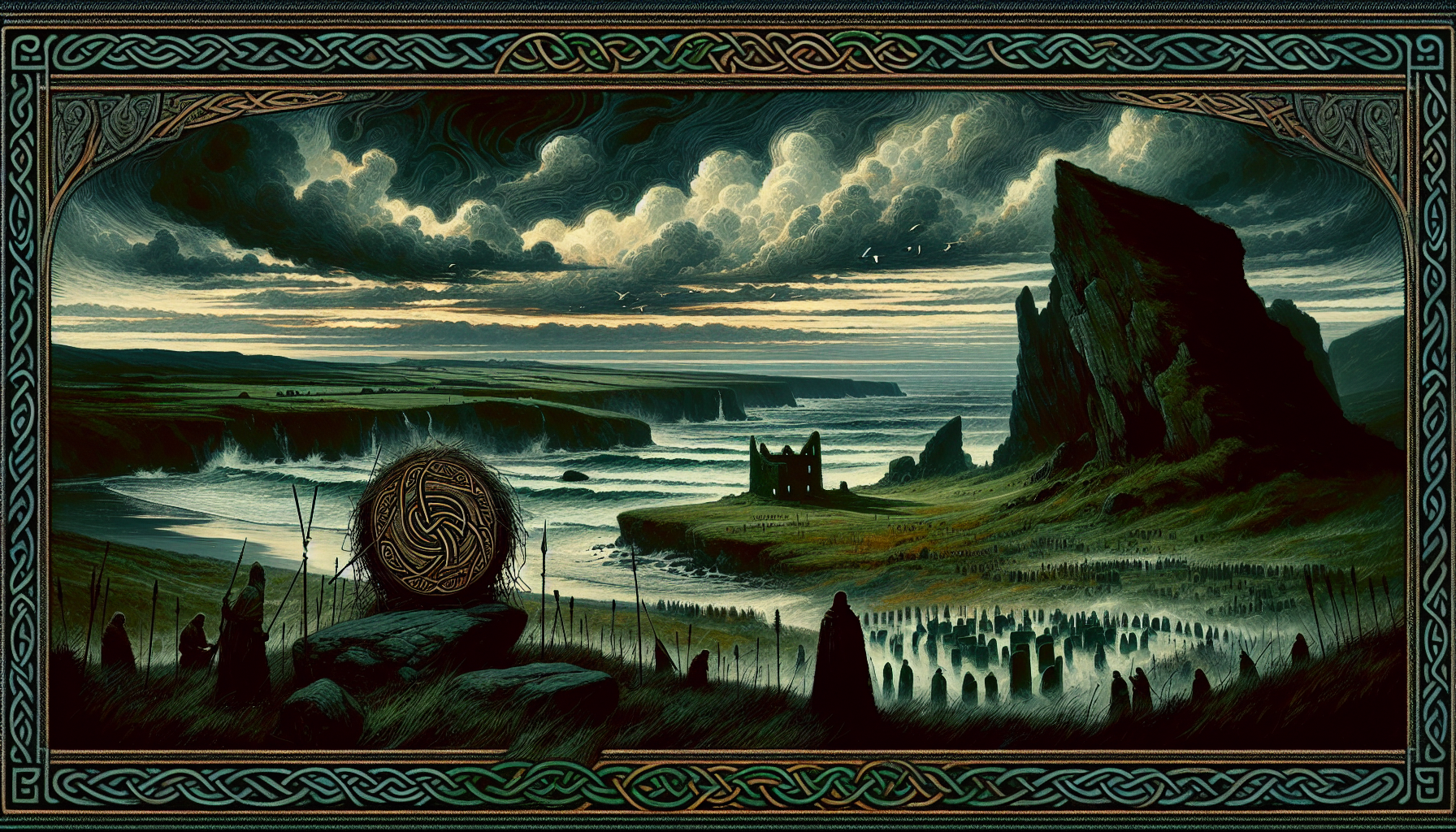
Celtic mythology is a rich tapestry woven with tales of heroism, magic, and timeless themes. One such tale is The Feast of Bricriu, a story that explores rivalry, honor, and the testing of heroes in ancient Ulster. Similarly, the intriguing Boyhood Deeds of Cú Chulainn reveal the bravery and destiny of one of Ireland’s most revered heroes, painting a vivid picture of early Celtic values and cultural ideals.
Meanwhile, from the misty hills of Scotland comes the endearing tale of The Brownie of Bodsbeck. This Scottish folktale reminds us of the importance of hospitality and respect towards the supernatural, themes that resonate with many Celtic traditions. For lovers of tragic romance, the Breton version of Tristan and Iseult offers a powerful narrative steeped in forbidden love and betrayal, highlighting the pan-Celtic influence of this enduring legend.
The Proud Heritage of Scottish Clans
No journey through Celtic culture would be complete without a look at the clans, which symbolize loyalty and ancestral heritage. The MacHardy Clan, nestled in the Scottish Highlands, presents a narrative intertwined with rugged landscapes and enduring traditions. Similar tales emerge from neighboring territories such as the MacKay Clan, guardians of the northern highlands whose history is etched into the hills and lochs.
Exploring further, clans like the MacAdam offer fascinating insights into Scotland’s cultural fabric, while the Kennaugh Clan of the Isle of Man connects us to the distinctive identity of Manx heritage. Beyond Scotland and Man, the Arundell Clan stands as a beacon of Cornish history, reflecting the diverse Celtic roots spanning the British Isles.
Glimpses into Celtic Historical Timelines
The Celtic world is also shaped by its historical encounters and transformations. In 125 CE, significant developments took place with the strengthening of Hadrian's Wall, marking Roman efforts to fortify their northern frontiers. Yet, the Celtic lands were never static; pressures increased as seen during the Pictish and Scotti raids in 360 CE, which challenged Roman control and showcased the resilience of native tribes.
Fast-forward to 369 CE, the Great Conspiracy tested Roman Britain’s stability, illustrating the turbulent political landscape Celtic societies navigated during the era. These historical milestones deepen our understanding of how Celtic peoples interacted with broader imperial forces while maintaining their unique culture.
Speaking the Celtic Tongues: Gaelic Language Learning
Language is a vital thread binding Celtic identity. Whether you’re drawn to the lyrical sounds of Scots Gaelic or the vibrant heritage of Irish Gaelic, learning simple phrases is a wonderful place to start.
For instance, embrace everyday expressions like “Seven” in Irish Gaelic or Scots Gaelic, or practice useful phrases such as “Where is the restaurant?” in Scots Gaelic. These small steps foster connection to Celtic culture and keep the languages vibrant.
A Welcoming Celtic Journey
From the mysteries of timeless myths and the steadfast pride of clans to the echoes of history and the melody of Gaelic tongues, Celtic culture invites us on a journey of discovery. Whether you are exploring heroic legends like Tóraí’s quest in Tír na nÓg or unraveling clan stories, each thread enriches our appreciation of the Celtic spirit.
Join us at Ceilteach to delve deeper into these stories, languages, and histories that continue to inspire and connect communities across lands and generations.
Be the first to comment!
You must log in or signup to post comments.