Cúchulainn’s Last Stand and the O’Toole Clan’s Wicklow Legacy
Exploring the Depths of Celtic Mythology
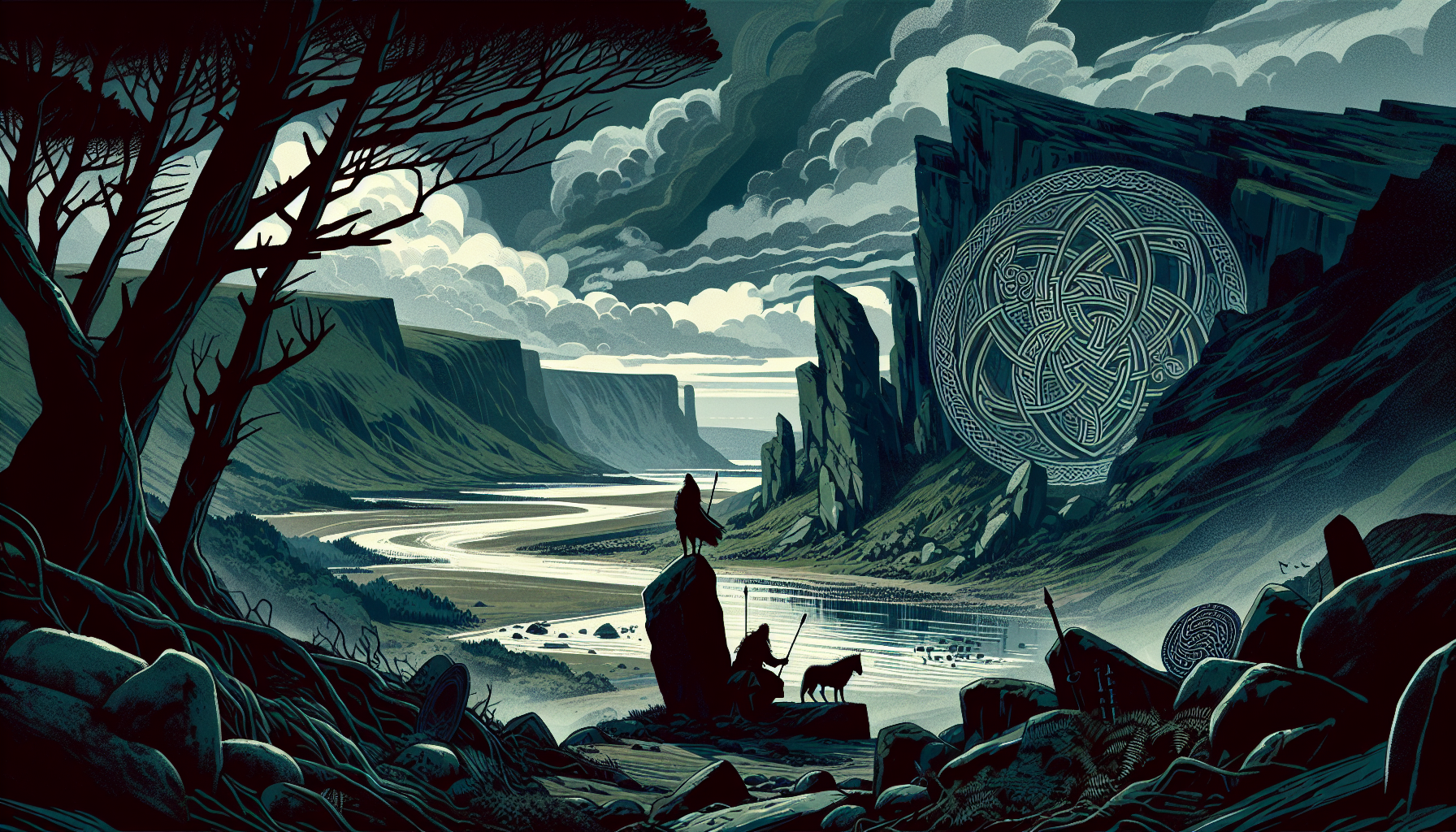
The rich tapestry of Celtic mythology has fascinated scholars and enthusiasts alike for centuries. Central to Irish lore are tales like The Death of Cúchulainn, a tragic story from the Ulster Cycle which eloquently captures themes of fate, honor, and betrayal. Cúchulainn’s final heroic act, tying himself to a stone to face his adversaries, symbolizes an enduring spirit of resilience that has cemented his legacy in Celtic cultural memory.
Another pivotal myth is The Coming of the Tuatha Dé Danann, which narrates the arrival of divine figures embodying a transformative epoch in Irish history. These stories reflect complex layers of conflict, divine heritage, and cultural identity that continue to resonate today.
For those interested in the foundation myths of Ireland itself, the Lebor Gabála Érenn offers a compelling blend of mythology and history. Chronicling invasions and settlers, it weaves together the tales of key figures such as Partholón and the Milesians, revealing the Celtic understanding of their origins.
Guardians of Heritage: The O’Toole Clan of Wicklow
From myth to history, Celtic heritage is also deeply rooted in the stories of its clans. The O’Toole clan, nestled within the rugged terrain of County Wicklow, Ireland, has long been recognized as guardians of their ancestral lands. Their history is intertwined with the landscape, embodying the tenacity and loyalty characteristic of Celtic clans. Exploring such narratives provides a window into how cultural identity is preserved over centuries amidst changing tides.
The Living Voices of Gaelic
Language is a living thread connecting past and present in Celtic culture. Irish Gaelic (Gaeilge) remains a vibrant expression of Ireland’s spirit. For learners wanting to immerse themselves, phrases like Tomorrow in Irish Gaelic can be a gentle entry into daily conversation.
Across the sea, Scots Gaelic (Gàidhlig) carries the voice of Scotland’s highlands—from island shores to glens—inviting learners to share in community and song. Simple phrases such as How are you? (informal) in Scots Gaelic or searching for Where is the toilet? are charming reminders of the language’s relevance today.
Celtic History in the Broader Context of Britain
The Celtic narrative is not confined to myths and languages alone but extends into the historical interplay across Britain. For instance, the Claudian Invasion of Britain in 43 CE marked a significant Roman incursion that shaped Romano-British society. The participation of British bishops at the Council of Arles further highlights the early Christian structures influencing Celtic regions.
Additionally, understanding periods such as the abandonment of the Antonine Wall sheds light on the fluid boundaries and conflicts that shaped the Celtic peoples’ resilience.
Together, these myths, clans, languages, and histories intertwine to form the vibrant cultural landscape celebrated by Ceilteach. Whether through heroic tales or the living languages of Gaelic, the Celtic spirit endures, inviting each explorer to discover its depths.
For a deep dive into any of these fascinating topics, explore the links embedded throughout to continue your journey into Celtic heritage.
Be the first to comment!
You must log in or signup to post comments.